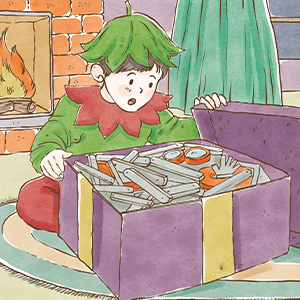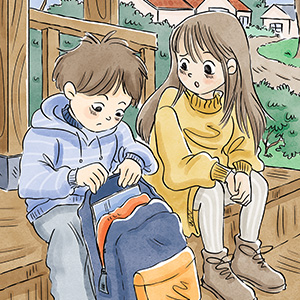










Children have a magical knack for turning the ordinary into the extraordinary. A stick becomes a magic wand, a sofa cushion becomes a pirate ship, and a simple “what if” can spark a whole new world. Inventing stories together is one of the most joyful ways to tap into that creative spark.
An Invent-a-Tale session isn’t about polished plots or perfect sentences. It’s about imagination, laughter, and exploring ideas that might be silly, surreal, or surprisingly moving. It’s a shared adventure where both children and adults can let go of the everyday and travel anywhere their imaginations will take them.
In this guide, you’ll find tips for setting the scene, prompts to kick off your tales, tricks for building them up, and ideas for turning those whimsical creations into something you can treasure. So, grab your favourite snacks, find a comfy spot, and let’s get storytelling.
Key Takeaways
- Invent-a-Tale sessions spark imagination through playful prompts and make-believe scenarios.
- Storytelling supports language, empathy, problem-solving, confidence, and deepens parent–child bonding.
- Creating a cosy setup with props, voices, and sensory touches makes storytelling engaging and immersive.
- Simple prompts (e.g. extraordinary pet, time-travelling teacup, invisible neighbour) jump-start wild, collaborative tales.
- Recording or crafting a storybook from these sessions turns fleeting moments into treasured keepsakes.
Midway through a story, your child brings in a glitter-sneezing dragon—embrace it! Magical stories come from the unexpected.
Why Storytelling Matters
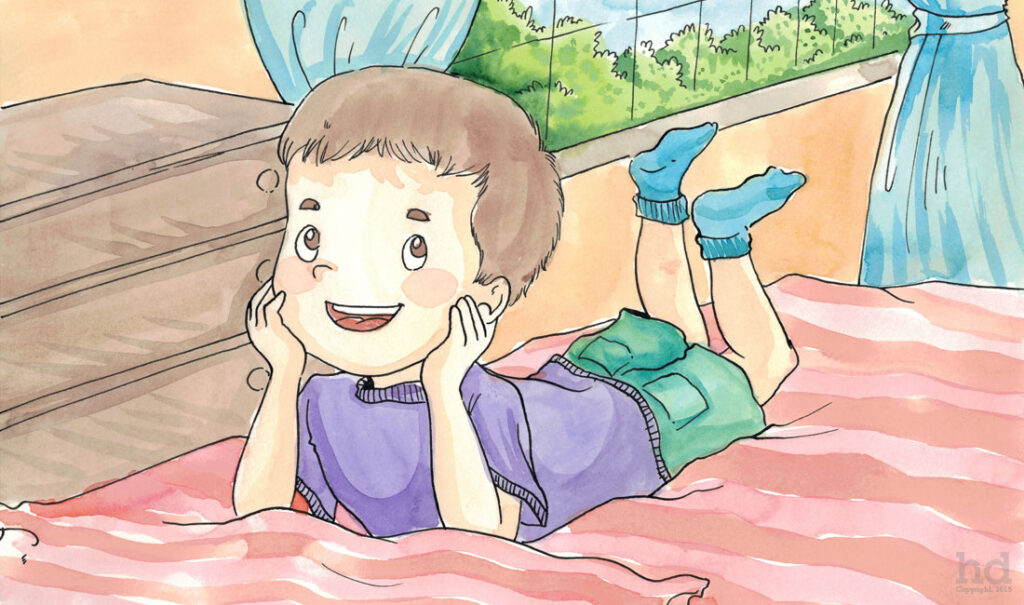
Storytelling is one of the oldest ways humans have connected, and for children, it’s a powerful tool for growth. When you make up stories together, you’re doing far more than filling the time.
Benefits for children:
- Language skills – expanding vocabulary and practising sentence structure.
- Emotional intelligence – exploring feelings, empathy, and understanding perspectives.
- Problem-solving – thinking creatively to resolve challenges within the story.
- Confidence – speaking ideas aloud and seeing them valued.
Benefits for families:
- Bonding – shared laughter, shared characters, shared “in-jokes”.
- Memories – stories can be revisited and retold for years.
- Quality time – a screen-free activity that encourages conversation.
A joint study from the National Literacy Trust and educational psychologists has shown that children who regularly engage in creative storytelling develop stronger communication skills and imagination. But the magic isn’t in the data – it’s in the way their eyes light up when a new plot twist unfolds, or in how they’ll carry a character they invented into other games and activities.
Set the Scene for Storytelling
A little preparation can make your storytelling time feel extra special.
Choose your storytelling spot
Pick somewhere cosy and distraction-free. It could be the sofa, a blanket fort, a quiet corner of the garden, or even under the stars.
Gather props
Objects can act as story catalysts. Try:
- A random selection from the toy box
- Dress-up hats, scarves, or cloaks
- A bag of “mystery objects” from around the house
Set the mood
Dim the lights or add fairy lights. Play ambient background sounds – rain on the roof, birdsong, or waves – to transport you into another world.
Encourage playfulness
Invite funny voices, sound effects, or acting out scenes. Let the children’s ideas lead the way, even if they send the plot in unexpected directions. The sillier and less predictable, the better.
A storytelling session is as much about the shared moment as it is about the final tale. Give yourselves permission to wander off-topic, loop back, and throw in twists without worrying about “getting it right”.
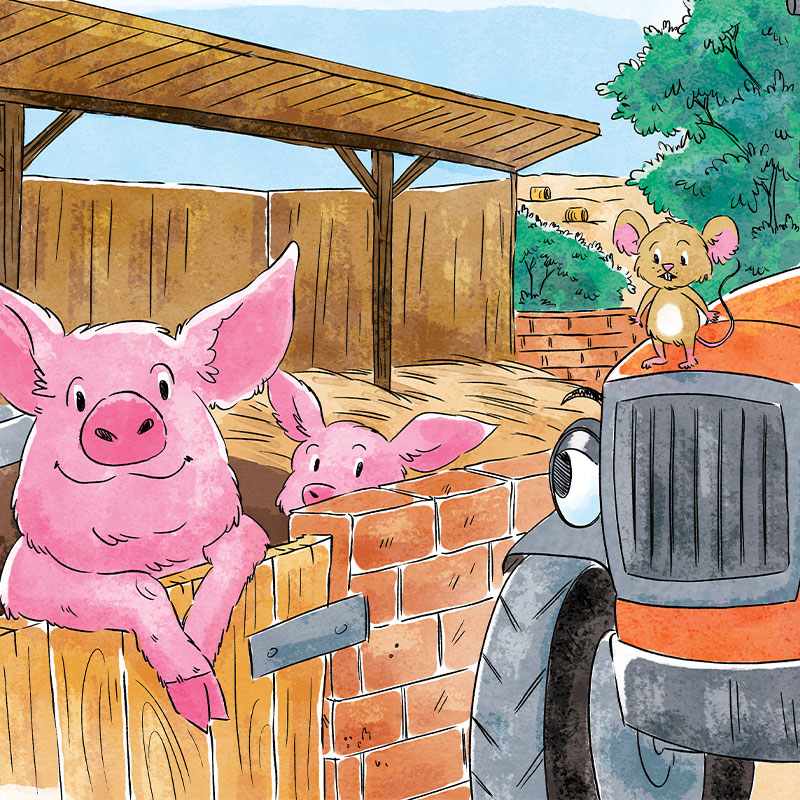
Tale-Starter Templates
If your minds go blank, having a few starting points helps break through. Here are three to get you going.
1. The Extraordinary Pet
Your pet (or a favourite toy) discovers something amazing – a glowing stone, a hidden doorway, or a talking mouse in the garden shed.
Questions to explore:
- What special ability does your pet have?
- Who or what do they meet?
- How does their discovery change their everyday life?
2. The Time-Travelling Teacup
You pour tea, and the steam forms into a swirling tunnel that pulls you into another time. One moment you’re in the kitchen, the next you’re in ancient Egypt or on a spaceship in the year 3025.
Questions to explore:
- What is the first thing you see?
- Who do you meet?
- Do you want to stay or get back home?
3. The Invisible Neighbour
A new neighbour moves in, but no one can see them – they can only be heard when they laugh.
Questions to explore:
- How do you find out they exist?
- What do you do together?
- What secret do they share with you?
You can combine ideas for added fun. Imagine the invisible neighbour travelling through time with your extraordinary pet – chaos and comedy guaranteed.

Building Your Tale
Once you’ve started, these tricks will keep your story moving.
Add unexpected twists
Stories come alive when something changes. Maybe the hero loses their map, or the villain decides they’d rather be friends.
Use sensory details
Help bring the world to life with sights, sounds, smells, and textures. “The forest smelled of cinnamon” is much more vivid than “the forest was nice”.
Let pictures help
Encourage children to draw scenes, maps, or characters as you go. Visual prompts often spark new plot turns.
Keep the ending flexible
Leave your tale open-ended to inspire sequels. You can pick it up in your next session, letting the story grow over time.
Story Elements Table
| Element | Examples | Why It Helps |
| Setting | Candy castle, desert island, moon base | Inspires imaginative scenes |
| Character | Shy giant, talking toaster, brave mouse | Adds personality and humour |
| Problem | Missing treasure, storm at sea | Drives the story forward |
| Resolution | Clever trick, unexpected ally | Teaches creative problem-solving |
From Spoken Tale to Keepsake
Some stories deserve to be kept. If your Invent-a-Tale session creates a real gem, you can easily turn it into a keepsake.
Simple home methods:
- Write it out by hand or on the computer.
- Add illustrations by your child.
- Make a simple booklet using ribbon or staples.
Creative extras:
- Print and bind through an online service.
- Add a “credits” page naming all contributors.
- Create an audio version with each family member voicing a different character.
You might find your child asks to re-read their story over and over – there’s nothing like seeing their own ideas in print. Even a few printed pages can feel like a real book to them, and it’s a wonderful reminder of the fun you had creating it.

Real-Life Story Spark Moments
You never quite know where a child’s imagination will take you. In the middle of a tale about pirates, you might suddenly find yourself in an underwater city made of jelly, or helping a penguin open a sandwich shop on the moon.
These are the moments to embrace. The less you control the direction, the more delight you’ll both find in the outcome. Sometimes the most unexpected ideas become the most memorable – and those little bursts of creativity can become running family jokes for years.
If you can, jot these ideas down or record them. They might become the seeds of future stories or the start of a whole family storytelling tradition.
Conclusion: Your Next Adventure Awaits
Invent-a-Tale isn’t about perfection. It’s about giving your imagination the space to run free alongside your child’s. Every idea, no matter how strange or silly, is a step into a shared world where you make the rules.
So, next time you have a spare half-hour, grab a hat, a prop, or even a teacup and see where the story leads. Whether it’s a one-off laugh or the start of a sprawling family saga, you’ll be creating something far more valuable than just a tale – you’ll be creating memories together.
Discover more ways to make storytelling with your child unforgettable—explore our Happy Hub at Happydesigner.