









When Characters Have Other Ideas
You sit down with a lovely, tidy plan. Beginning, middle, and end are all mapped out. Tea in hand. Confidence high.
Then your main character promptly ignores you.
They say something you did not expect. They refuse to walk into the scene you carefully built. They make a choice that sends your story veering off in a completely different direction.
Annoying? Possibly.
Exciting? Absolutely.
At Happydesigner, we spend a lot of time bringing characters to life, and we can tell you this with confidence: when a character starts misbehaving, something rather magical is happening. It usually means they are no longer just an idea. They are becoming someone.
And that is where the real storytelling begins.
Key Takeaways
- Characters who refuse to behave are often a sign your story is coming to life
- Surprising choices can make your writing feel more natural and engaging
- Strong character development leads to more believable reactions
- Letting go of strict plans can unlock better storytelling moments
- A balance between structure and spontaneity creates the best results
Did you know? The moments where your character surprises you are often the ones readers remember most.
What Does It Mean When a Character ‘Refuses to Behave’?
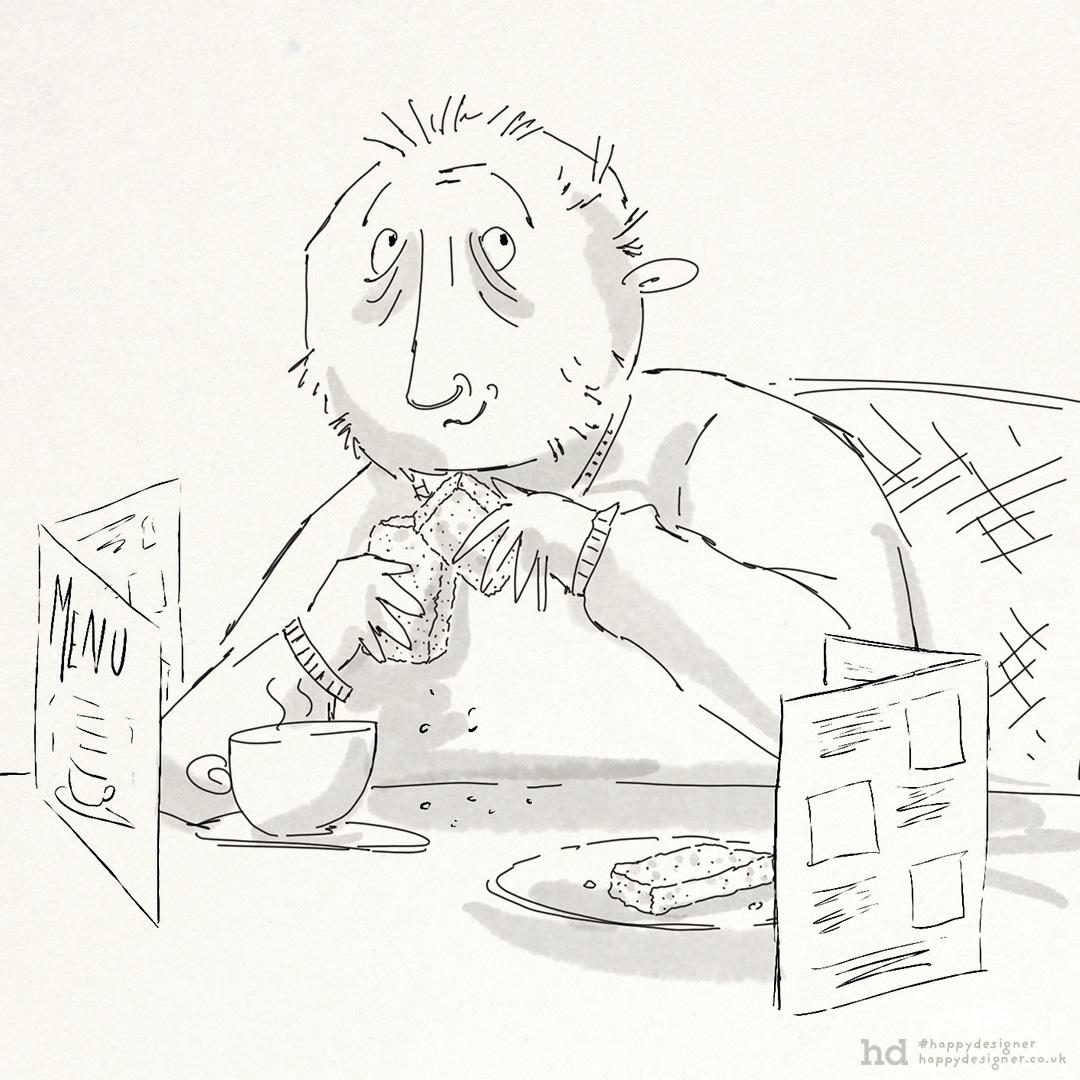
A “misbehaving” character is not being difficult for the sake of it. They are simply acting in a way that feels more natural than what you originally planned.
You might notice things like:
- Dialogue that feels more authentic than your draft
- Reactions that shift the tone of a scene
- Decisions that change the direction of the story
- A character refusing to follow a neat plot point
This tends to happen when your character is well-developed. You understand how they think, what they want, and what they would never do. So when you try to force them into a situation that does not quite fit, they push back.
From a character design and storytelling perspective, this is a strong sign that your character has depth. And depth is where connection lives.
Why This Can Be a Very Good Sign
It may feel like things are going slightly off track, but in reality, your story could be improving.
Here’s why:
- They feel real
Characters who act in believable ways are far more engaging than those who simply follow instructions. - They avoid predictability
When characters surprise you, they will likely surprise your readers too. - They create stronger moments
Emotional scenes often become more powerful when they grow organically rather than being forced.
At Happydesigner, we focus heavily on creating characters with believable mannerisms, actions and emotions. When those elements are strong, characters naturally begin to guide the story themselves.
And that is exactly what you want.
The Difference Between Chaotic and Alive
Of course, not every unexpected twist is a good one. There is a difference between a character feeling alive and a character feeling random.
A strong character should still have:
- Clear motivations
- Consistent emotional responses
- Recognisable traits
- A sense of purpose within the story
If your character suddenly behaves in a way that contradicts everything you have established, that is not creative magic. That is confusion.
But when their choices feel surprising yet completely believable, you are on the right track.
Why Writers Often Try to Control Everything
Planning is comforting. It gives structure and direction. It helps you feel in control of your story.
But too much control can flatten your characters.
When every line is predetermined, there is little room for discovery. And storytelling should include a bit of discovery. It should feel like something is unfolding, not being forced into place.
Letting go, even just a little, allows your characters to breathe. It gives them space to react, to surprise, and to grow.
And quite often, it makes the writing process far more enjoyable too.
What Happened? Your Character Started Feeling Real
When a character begins to “misbehave”, it usually means you have reached an important milestone. You know them well enough that their decisions feel instinctive.
Think about what brings a character to life:
- Their voice
- Their habits
- Their fears
- Their goals
- Their contradictions
These details build a personality. And once that personality is strong, it naturally starts influencing the story.
This is especially important in children’s books and illustrated storytelling. Readers connect with characters who feel expressive, relatable and full of life. A well-developed character is not just seen on the page; they are felt.
How to Work With a Character Who Won’t Stick to the Plan
Listen First
If something feels more natural than your original idea, explore it. There is often a good reason your instincts are nudging you in that direction.
Ask Why
Pause and consider what your character wants in that moment. Their actions should come from their motivations, not from the needs of the plot.
Check for Consistency
Surprising is good. Confusing is not. Make sure the behaviour still aligns with who the character is.
Protect the Heart of the Story
Your plot may shift, but your core message should remain intact. Let the route change while keeping the destination in sight.
Write Now, Edit Later
Do not interrupt a strong creative flow to fix every detail. Follow the energy of the scene. You can refine it later.
A Quick Comparison
| Controlled Characters | Free-Flowing Characters |
| Follow strict plans | React naturally |
| Predictable outcomes | Unexpected moments |
| Plot-led decisions | Character-led decisions |
| Can feel flat | Feel lively and real |
Both approaches have their place. The magic often happens when you allow a balance between the two.
Why This Matters Especially in Children’s Stories
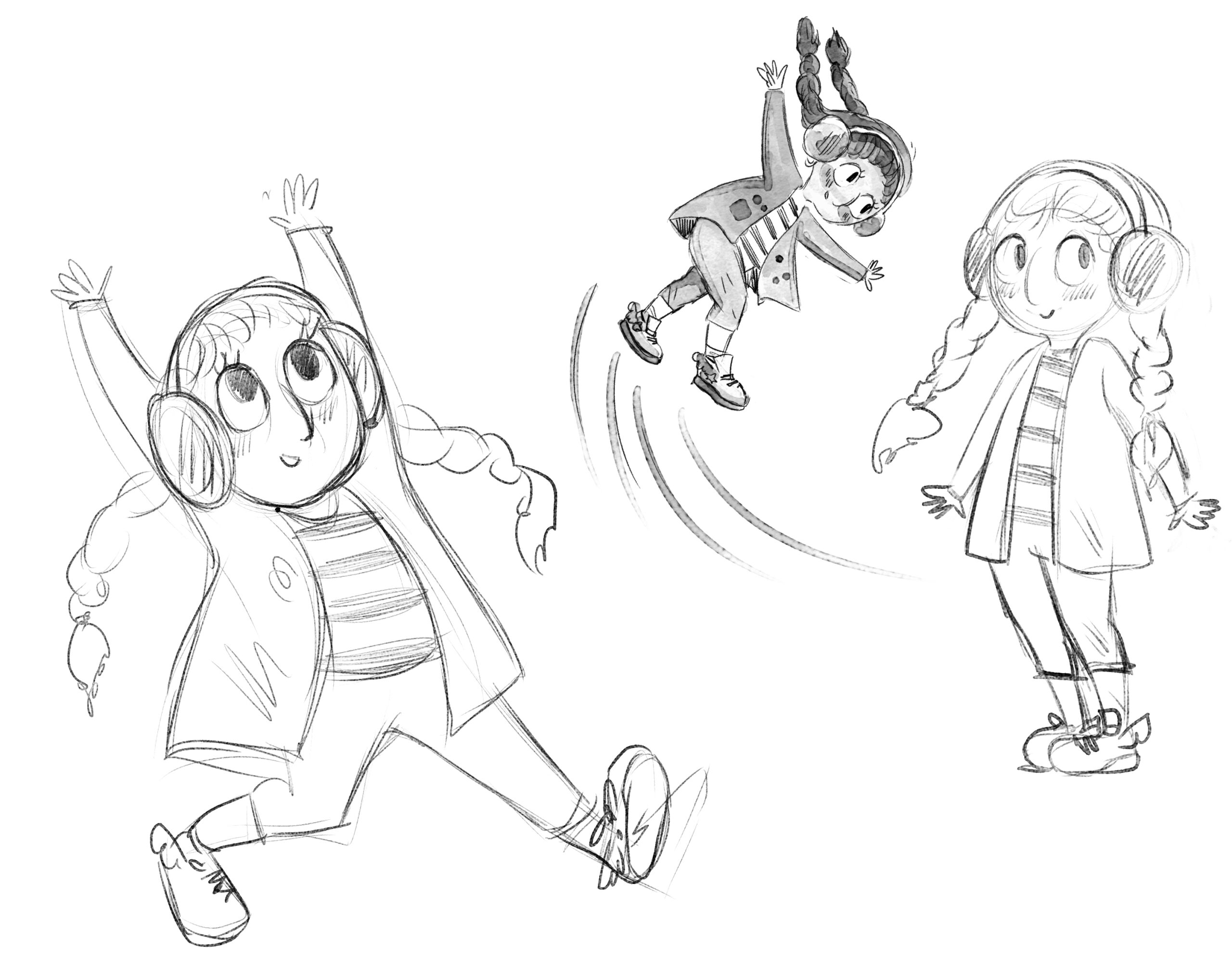
Children’s stories thrive on personality. Bold, expressive, slightly unpredictable characters are often the ones that stay in a reader’s mind.
Think about what makes a character memorable:
- A strong voice
- Clear emotions
- Playful or surprising behaviour
- Distinct visual personality
At Happydesigner, character creation sits at the heart of what we do. Whether it is through illustration or storytelling, the aim is always the same: to create characters that feel alive.
And characters that feel alive do not always behave perfectly.
When to Rein Them Back In
There are moments when a gentle guiding hand is needed.
You may want to step in if:
- The story starts to lose clarity
- The character acts against their established personality
- The plot begins to wander without direction
Editing is where you shape the story. It is not about removing all spontaneity. It is about keeping the best parts and guiding everything else into place.
Think of it as collaboration rather than control.
Conclusion: Let Them Be a Little Difficult
A character who refuses to behave is not a problem to fix. It is a sign that something is working.
It means your character has a voice. It means they have opinions. It means they are starting to exist beyond your original outline.
And those are exactly the kinds of characters readers remember.
So next time your story takes an unexpected turn, do not rush to correct it. Pause. Listen. See where it leads.
You might just find that your “difficult” character is leading you somewhere far more interesting than you planned. Bring your book to life with our character design and turn your story into something truly memorable.