









Mess is marvellous! There’s something truly magical about the way children light up when they’re knee-deep in mud, stirring a wobbly potion made of sticks and stones. For little explorers, messy play isn’t just about getting dirty – it’s about discovery, imagination and the pure joy of play. Beneath the splashes and squelches lies a world of learning, growth and wonder.
Key Takeaways
- Messy play is child-led, open-ended and process-focused rather than outcome-driven.
- It supports brain development, fine motor skills, cognitive thinking and emotional regulation.
- Nature offers a rich, low-cost palette: twigs, mud, leaves and puddles spark endless play ideas.
- Pretend play during messy activities strengthens language, social skills and creative confidence.
- Messy play is inclusive and adaptable — every child can benefit in their own way.
Did you know? Children engaging in messy play often form stronger neural connections because multiple senses are activated at once.

What Is Messy Play?
Messy play is all about exploration. It’s a hands-on, sensory experience where children can squish, squeeze, pour, mix and create without limits. It’s open-ended and child-led, meaning there’s no right or wrong outcome. The joy is in the process, not the product.
From finger painting to mud pie making, messy play invites curiosity and creativity. It’s also wonderfully low-cost – nature offers an endless supply of play materials. A handful of twigs, a puddle of mud or a bucket of water can spark an entire afternoon of fun.
A few simple messy play ideas:
- Mud kitchens with spoons and old pots
- Painting with leaves and flowers
- Creating twig sculptures
- Water play with bubbles or coloured ice cubes
When children are given the freedom to explore, they gain far more than just dirty hands – they gain confidence, independence and a sense of achievement.
The Science Behind the Squish
There’s more going on during messy play than meets the eye. Scientists and educators agree that sensory play helps build essential neural connections in the brain, supporting learning and development in powerful ways.
Brain Development
Touching, squeezing and manipulating materials stimulates the senses and strengthens brain pathways. These early experiences help with language, problem-solving and creativity later on.
Motor Skills
Scooping, pouring and mixing help develop fine and gross motor skills. These skills are the building blocks for everyday tasks like writing, dressing and feeding themselves.
Emotional Regulation
Messy play can be calming and grounding. The repetitive, soothing nature of sensory play helps children regulate emotions, build patience and manage frustration.
Educational Benefits at a Glance
| Skill Area | How Messy Play Helps | Example Activity |
| Fine Motor Skills | Strengthens hand and finger muscles | Squeezing sponges or clay |
| Creativity | Encourages imagination and expression | Painting with mud and sticks |
| Cognitive Thinking | Builds understanding of cause and effect | Mixing colours or textures |
| Emotional Growth | Promotes confidence and emotional resilience | Free, unstructured play |
According to the Early Years Foundation Stage (EYFS), sensory exploration is key to developing communication and language, physical coordination and understanding the world. Messy play truly is learning in disguise.
Nature’s Playground: Using What’s Around You
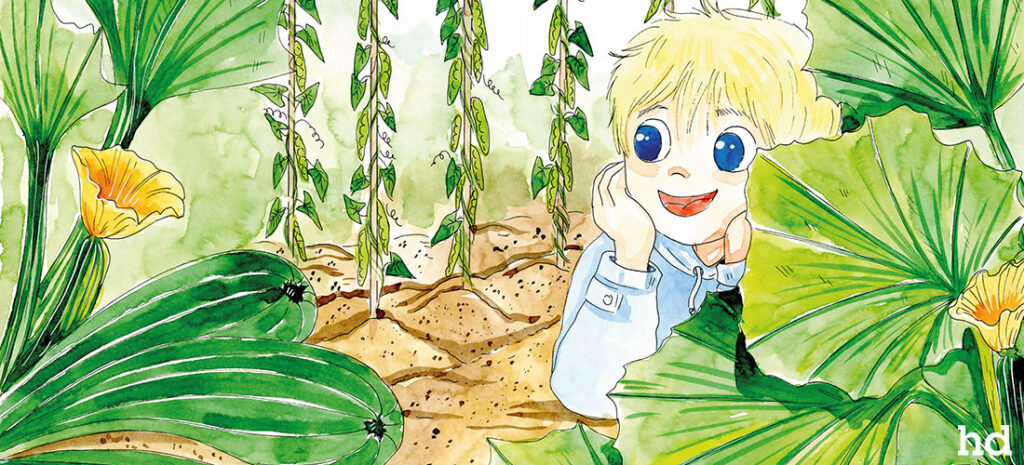
The great outdoors is the ultimate messy play space. It’s free, ever-changing and filled with endless inspiration. Children instinctively connect with nature, and when given the chance to play freely outside, their creativity and confidence soar.
A fallen twig becomes a magic wand. A pile of leaves becomes a treasure trove. A puddle becomes an ocean for tiny explorers. The textures, smells and sounds of the outdoors engage every sense and encourage imaginative, self-directed play.
A few nature-inspired messy play ideas:
- Mud painting: Mix water and mud to paint rocks or fences.
- Stick wands: Decorate with ribbons or leaves for a touch of woodland magic.
- Mini bug hotels: Use pine cones, bark and grass to make tiny habitats.
- Puddle potions: Add petals, pebbles and grass to create fantastical brews.
Not only is outdoor messy play fun, but it also nurtures an appreciation for the natural world. It encourages children to notice the little details – the shapes of leaves, the way rain smells, or how soil feels between their fingers.

The Magic of Imagination
Messy play is the stage where imagination takes the lead. A patch of mud becomes a chocolate cake factory. A pile of twigs becomes a fairy forest. When children create their own stories through sensory play, they’re building language, empathy and problem-solving skills without even realising it.
Pretend play like this encourages children to experiment with roles, vocabulary and ideas. They learn how to communicate, collaborate and express emotions in creative ways.
Encourage imagination by:
- Asking open-ended questions: “What could this mixture be?” or “Who might live in this fairy forest?”
- Providing props: old spoons, jars, scarves or natural objects
- Joining in: become the dragon, the baker, or the wizard in their muddy adventure!
Play is how children make sense of the world. When adults step back and let imagination lead, the results can be truly magical.
Messy Play and Emotional Development
Children experience a wide range of emotions every day, and messy play gives them a safe and joyful outlet to express them. In a world that often encourages tidiness and order, messy play offers freedom.
Confidence Through Chaos
Messy play teaches children that it’s okay to make mistakes. A splatter of paint or a toppled tower becomes a lesson in resilience and adaptability.
Calm Through Texture
Sensory materials, such as sand, mud, or foam, can have a calming effect. The repetitive movements of stirring, squishing and spreading can reduce stress and improve focus.
Connection and Joy
When adults join in, messy play becomes a shared experience that strengthens bonds. Laughter and discovery turn a simple activity into a cherished memory.
Key emotional benefits:
- Builds self-confidence and independence
- Encourages emotional expression
- Reduces anxiety through tactile comfort
- Promotes social connection and teamwork
Getting messy might seem simple, but it’s often the highlight of a child’s day – and a secret workout for their emotional wellbeing.

Practical Tips for Parents and Educators
Let’s face it: messy play can sometimes be… well, messy! But with a few clever tricks, it can be fun, stress-free and surprisingly tidy.
Setting Up for Success
- Choose washable surfaces – gardens, patios or tiled floors work best.
- Use waterproof mats, old sheets or shower curtains to protect flooring.
- Dress for mess – old clothes or aprons are your best friends.
Getting Involved
- Let children lead the activity. Resist the urge to guide or correct.
- Describe textures, colours and actions to build vocabulary.
- Take photos of creations before they’re washed away to celebrate creativity.
Cleaning Up Without the Fuss
- Keep a bucket of warm water and towels nearby.
- Make cleanup part of the fun – a splashy rinse-off or bubble bath can be the perfect ending.
- Involve children in tidying up to teach responsibility.
Indoor messy play ideas:
- Edible finger paint (yoghurt and food colouring)
- Sensory bins with rice or pasta
- Playdough with natural scents like lavender or lemon
When parents embrace the chaos and see it as creative magic rather than destruction, children feel encouraged to explore freely. After all, mud washes off – memories don’t.
Messy Play for Every Child
Messy play is beautifully inclusive. It adapts easily to every child’s needs, abilities and preferences.
Children with sensory sensitivities can begin with dry textures like rice or sand before moving to wetter materials. Those who love to dive right in can enjoy the full mud-and-twigs experience.
Adaptations to make messy play accessible:
- Offer a variety of textures and let children choose what feels comfortable.
- Provide tools like brushes or spoons for those who prefer not to touch directly.
- Use visual supports or clear instructions for children with communication challenges.
Messy play doesn’t just benefit young children – older ones can enjoy creative expression too, through art, craft or gardening. Every child deserves the chance to discover their own kind of magic in the mess.
Conclusion: Celebrate the Chaos
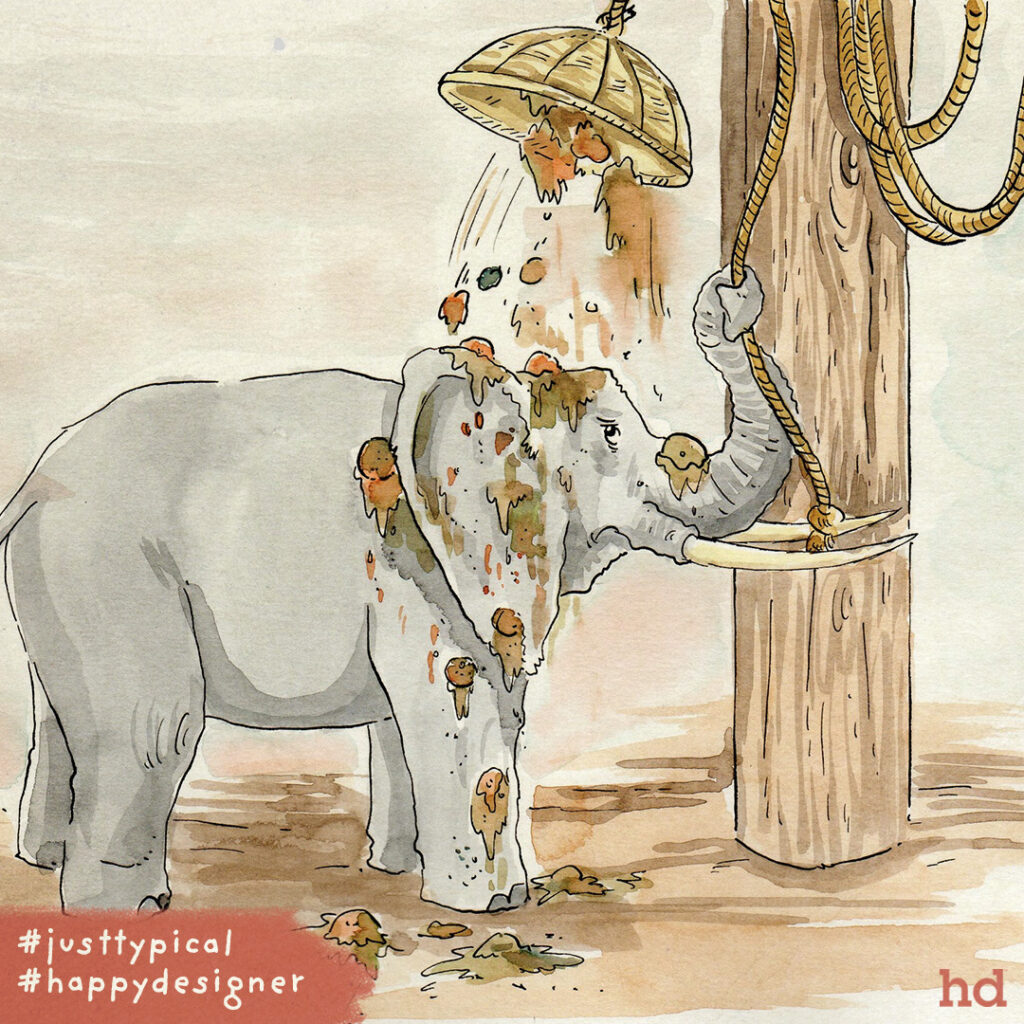
Mud on the knees and twigs in the hair are badges of honour in the world of childhood. Messy play is a celebration of creativity, curiosity and connection. It’s where laughter and learning meet, and where memories are made one squelch at a time.
So next time you see a puddle, don’t rush to avoid it – jump in! Encourage the children in your life to explore, imagine and play freely. The twigs, the mud and the magic will do the rest.
Let’s get muddy together — dive into messy play and spark joy, creativity and growth with us at Happydesigner’s Happy Hub!
Further Reading
- Sensory Play Is More Than Mess — How It Shapes Young Minds: A research-based article exploring how sensory play supports neural development and cognition
- The Joys and Educational Benefits of Messy Play for Children’s Development: An overview of how messy play fosters multiple domains of child growth
- The Role of Sensory Play in Childhood Development: A look at how sensory play supports emotional regulation, motor skills, and more