








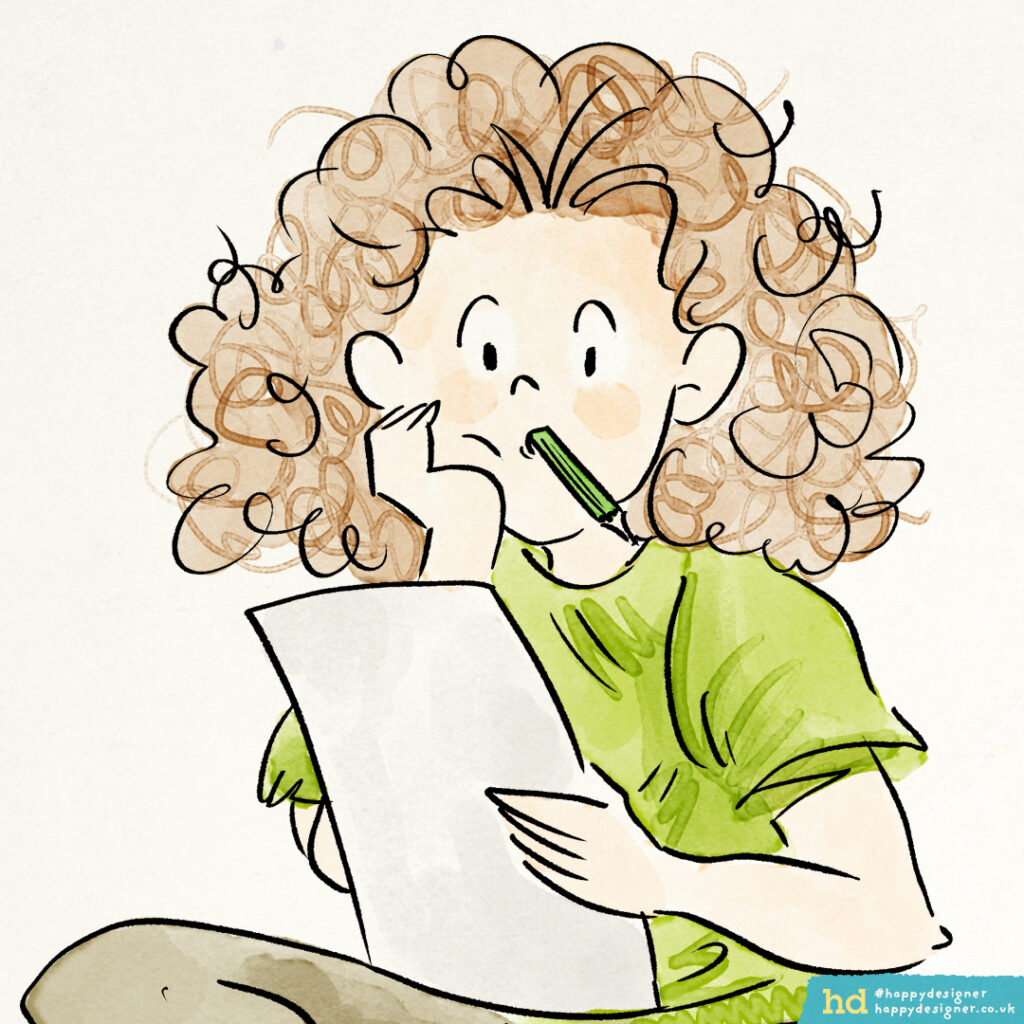
There is a funny little moment just before a pencil touches the page. The idea is there. The paper is there. The tea may even be there, which is always helpful. But still, the hand hovers.
What if it looks silly?
What if the character has wonky ears?
What if the dragon looks more like a confused potato?
Here at Happydesigner, we think that the first wobbly mark is a tiny act of bravery. Creating something new, whether it is a children’s book, a character sketch, a cover idea or a scribble in the corner of a notebook, takes courage. Not loud, cape-flapping courage, perhaps. More like quiet, pencil-sharpening courage.
And that counts.
Key Takeaways
- Creative courage starts with one small mark, even if that mark looks a bit like a confused potato.
- The blank page is not the boss of you. It is simply a place to play, test ideas and let characters appear.
- Scribbles, rough sketches and wonky first drafts are all part of the creative process, not signs that anything has gone wrong.
- Drawing helps characters come to life through expressions, posture, colours, movement and all the tiny details that make them memorable.
- Sharing your story idea can feel brave, but a friendly creative process can help turn that little spark into something wonderful.
Did you know? A scribble can be the first tiny step towards a whole character, a whole story, or even a whole children’s book. What would your first brave mark become?
Why Creating Can Feel Surprisingly Brave
Making something from nothing is a bit magical, but it can also feel rather exposing. A story idea may come from a childhood memory, a much-loved pet, a funny family moment, a big feeling or a tiny thought that simply will not leave you alone.
That is why creating can feel personal. It is not just a drawing. It is your imagination popping its head above the parapet and saying, “Hello, I made this.”
That can feel exciting. It can also feel a little nerve-racking.
At Happydesigner, we often work with authors who are bringing deeply meaningful stories to life. Some arrive with a clear idea of how everything should look. Others have a few thoughts, a character name, a setting, or just a spark. All of those beginnings are valid.
The brave bit is not having everything perfectly planned. The brave bit is beginning.
The Blank Page Is Not the Boss of You
A blank page can look very smug. There it sits, all clean and white, pretending it knows better than you.
It does not.
The blank page is simply waiting. It is not a test. It is not a judge. It is not secretly holding a clipboard and marking your dragon out of ten.
It is a place to play.
Before a polished illustration appears, there are often rough ideas, scribbles, notes, changes and little experiments. That is all part of the process. A tiny doodle can become a book character. A messy shape can become a forest. A strange little face can become the star of an entire adventure.
So let the first mark be wonky. Let the first idea be odd. Let the first sketch look as though it has just woken up from a nap.
That is where the fun starts.
The Courage Table
Here is a cheerful reminder that creativity does not need to arrive wearing a medal. Sometimes it looks like this:
| Creative Moment | Why It Feels Brave | A Happydesigner Nudge |
| Making the first mark | You are moving from idea to action | Start small, even with a scribble |
| Sharing a story idea | It may feel personal | The right creative team will listen kindly |
| Changing a character | You may worry about getting it wrong | Characters often grow through exploring |
| Receiving feedback | It can feel vulnerable | Feedback helps the project shine |
| Finishing the book | The dream becomes real | Celebrate every little step |
Scribbles Are Braver Than They Look
We are big fans of scribbles. Scribbles have energy. Scribbles have possibilities. Scribbles say, “I am not finished yet, but I am here.”
A scribble might become:
- A bear in a bobble hat
- A moon with a moustache
- A nervous robot who loves custard
- A rabbit who runs a very serious biscuit shop
- A pirate snail with excellent manners
That is the joy of drawing. It gives ideas somewhere to land.
The trouble is, grown-ups often expect the first version to be good. Children are usually much better at leaping in. They will draw a purple tiger on roller skates and move on with their day. No committee meeting. No dramatic sighing. No, “but is this tiger commercially viable?”
There is something wonderfully freeing about that.
Creativity becomes easier when we allow ourselves to play before we polish.
Drawing Helps Us Meet Our Characters
A character is not just a face. It is a feeling in wellies.
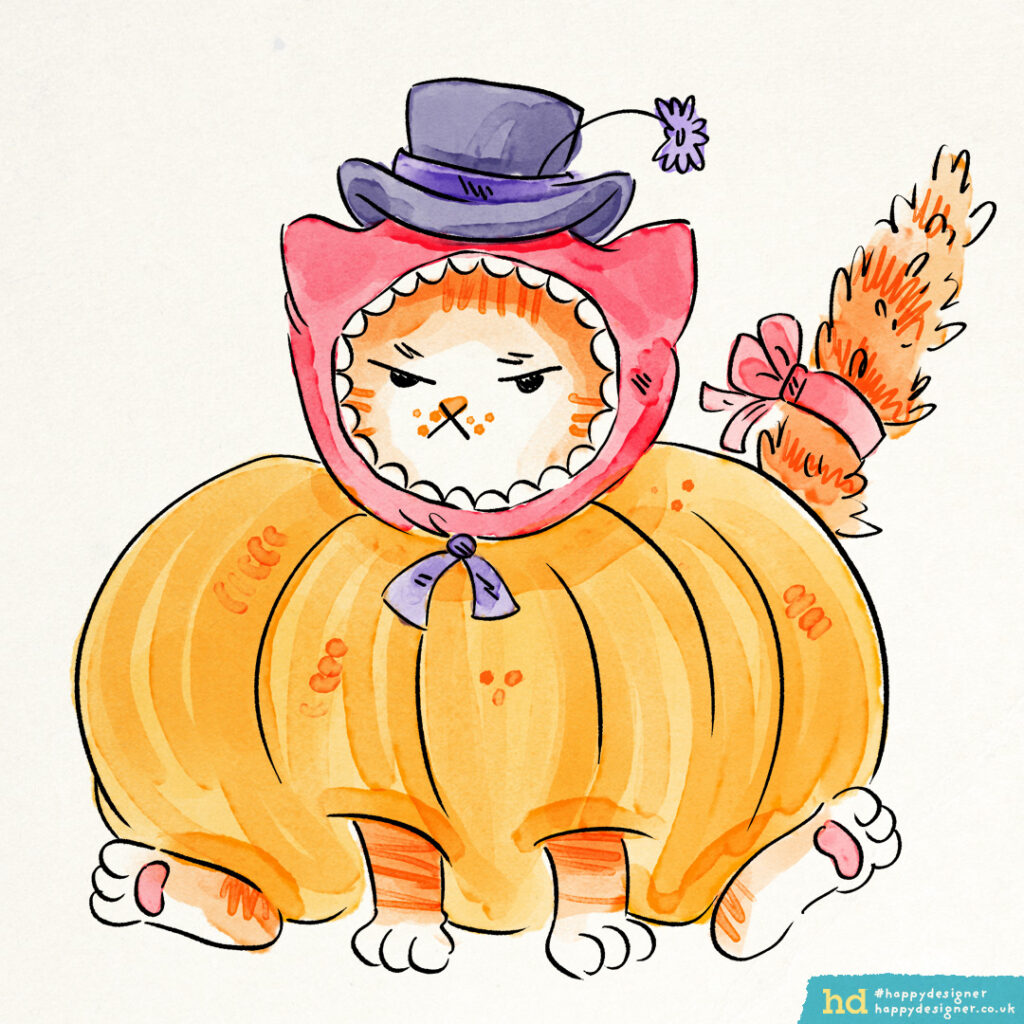
When we begin shaping a character, every little detail can tell us something. Are they standing proudly, or hiding behind a tree? Do they have wild hair, shiny boots, enormous spectacles or a tail that seems to have its own opinions?
In children’s books especially, characters need to communicate quickly and clearly. A young reader may notice the raised eyebrow, the muddy paws, the cheeky grin or the tiny worried shoulders before they read a single word.
That is why character development is such a lovely part of the creative process. Drawing helps us ask questions such as:
- What does this character want?
- What are they afraid of?
- How do they move?
- What makes them funny?
- What would make a child want to follow them into the next page?
The first sketch may not be the final character. In fact, it often will not be. That is not a problem. That is discovery.
Brave Does Not Mean Doing It All Alone
There is a strange myth that creative people should be able to do everything by themselves. Write the story, draw the pictures, design the cover, understand the printing process, remember the ISBN, make the tea and possibly tame a small dragon before lunch.
We do not recommend this.
Asking for help is not a creative weakness. It is often one of the bravest and cleverest things you can do.
Creating a children’s book can be exciting, but it can also feel daunting, especially if it is your first one. There are characters to develop, pages to plan, illustrations to create and lots of decisions along the way.
A friendly, creative process makes a huge difference. You should feel able to ask questions, share thoughts, change your mind, laugh at the odd bits and enjoy seeing your idea grow.
You do not need to arrive with everything perfect. You just need to arrive with the idea.
The Messy Middle Is Part of the Magic
Every creative project has a messy middle.
This is the stage where the story has one sock on, the character is facing the wrong way, the colours are not quite right yet, and someone has probably said, “What if the badger had a bicycle?”
The messy middle can feel uncomfortable because the finished thing is not visible yet. But that does not mean the project is going wrong. It means it is becoming.
Reworking, adjusting, and refining are all part of making something stronger. Sometimes an illustration needs more warmth. Sometimes a character needs a better expression. Sometimes the page layout needs a little breathing room.
Good creativity is not about never changing anything. It is about caring enough to keep shaping the idea until it feels right.
That takes patience. It also takes courage.
Creativity Can Make Small People Feel Big
Children understand creative courage beautifully. Give a child a crayon, and they may create a kingdom, a monster, a family portrait, a rainbow, a spaceship and a banana with legs, all before snack time.
Drawing and storytelling give children ways to explore ideas, emotions and possibilities. They can invent worlds, solve problems, try out voices, make sense of things and express feelings that might be hard to explain in ordinary conversation.
That is one reason children’s books matter so much. They are not just pages with pictures. They are little doors.
Through stories, children can meet brave characters, worried characters, silly characters, lonely characters and wildly adventurous characters. Sometimes, without even realising it, they also meet parts of themselves.
And that is rather wonderful.
Sharing Your Work Is a Brave Little Leap
There comes a point when the idea has to be shown to someone else.
That can be a fluttery moment.
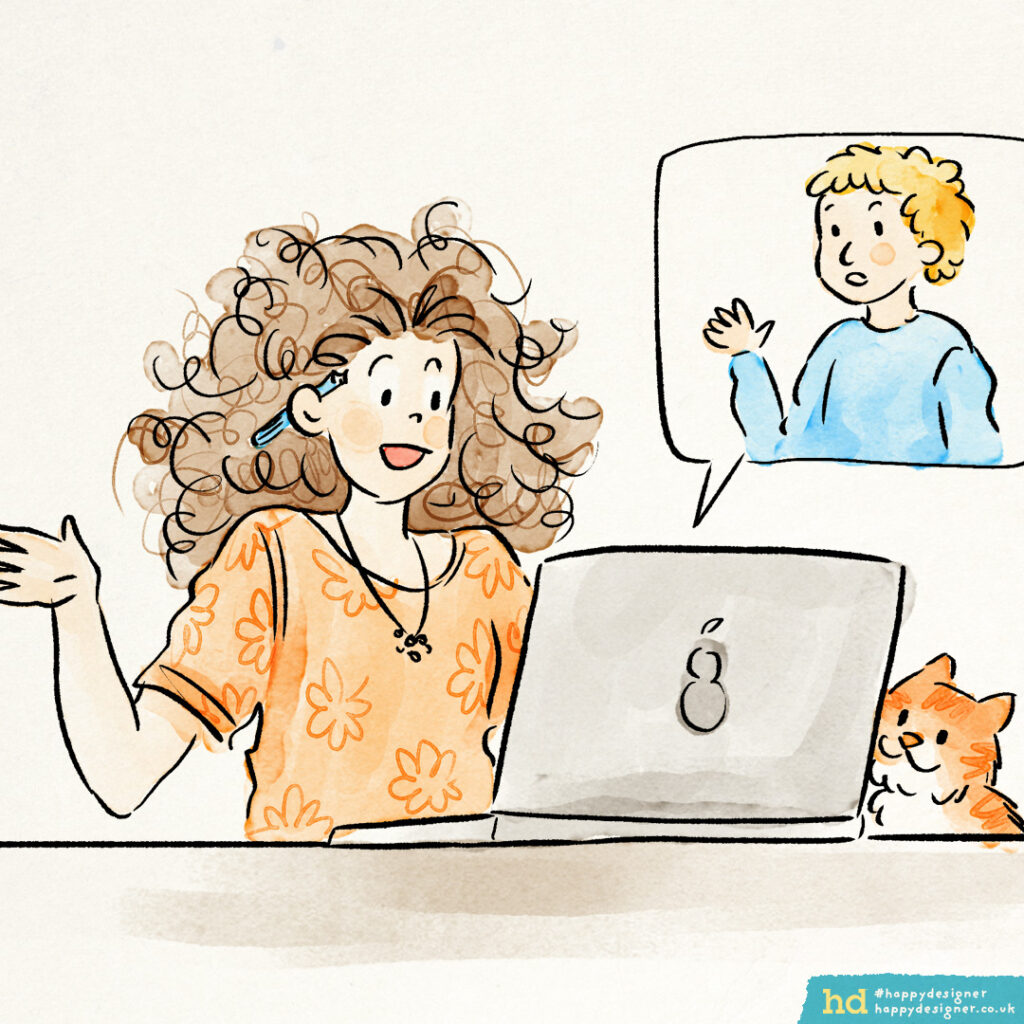
Whether it is a rough manuscript, a character idea, a family-inspired story or a dream you have had for years, sharing creative work can feel vulnerable. It carries a little piece of you inside it.
But sharing is also where the project begins to breathe. It allows someone else to see the sparkle, spot the possibilities and help you move forward.
A good creative partnership should feel encouraging, not intimidating. It should give your idea room to grow while still respecting the heart of what made you want to create it in the first place.
Your story does not need to be perfect before you share it. It simply needs to be ready for its next step.
Five Tiny Ways To Begin Today
Feeling brave? Excellent. Feeling only slightly brave? Also excellent.
Try one of these:
- Draw the bravest animal you can imagine.
- Sketch a character who is scared of something silly.
- Create a tiny book cover for a story that does not exist yet.
- Draw your main character’s favourite shoes.
- Write one sentence that begins with: “Nobody expected the hedgehog to…”
No trumpet fanfare needed. No perfect sketchbook required. Just one mark, one idea, one little beginning.
Courage Comes in Crayons, Pencils and Pixels
Creating feels brave because it is brave.
Every finished book, illustration, character or cover begins with uncertainty. There is always a first line, a first scribble, a first moment of wondering whether the idea will work.
So if your pencil is hovering over the page, give it a gentle nudge.
Whether your first mark is made with a pencil, a paintbrush, a tablet pen or a slightly chewed crayon, it might just be the start of something wonderful.
Ready to bring your brave little idea to life? Get in touch and let’s turn that spark into a beautifully illustrated children’s book.
Further Reading
- Working With Happydesigner: A helpful look at how Happydesigner supports authors through the children’s book illustration process, from early ideas to finished artwork.
- Custom Character Design in Children’s Books: A Happydesigner article exploring how memorable characters are developed to captivate and inspire young readers.
- Telling Stories in Early Years: A National Literacy Trust resource with practical ideas to help young children share ideas, build stories and find their voices.
- Books to Inspire Your Imagination: A BookTrust list of picture books celebrating imagination, new worlds and playful storytelling with children.