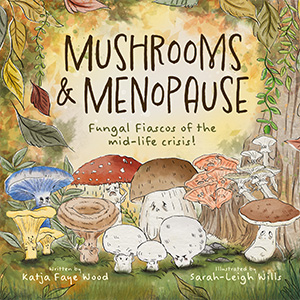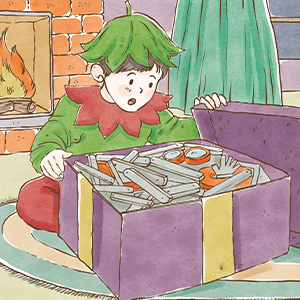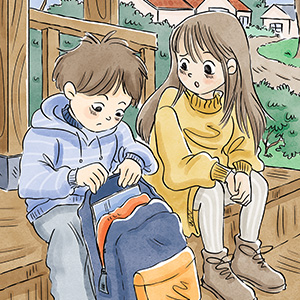










A tiny ladybird waving from a leaf. A biscuit crumb trail leading under the sofa. A dragon with one very suspicious sock stuck on its horn. Little details like these are often the bits children spot first, remember longest, and gleefully point out every time the book is opened.
At Happydesigner, we love the small stuff. Picture books are whole little worlds, packed with clues, jokes, feelings and visual surprises. When those details are chosen carefully, they help a story sparkle, wriggle, giggle and stay in a child’s imagination long after bedtime.
Key Takeaways
- Tiny picture book details can turn reading into a joyful treasure hunt.
- Children often spot little visual clues that grown-ups miss, from muddy footprints to cheeky background characters.
- Small details can show emotion, add humour and help the story move along without extra words.
- Repeated surprises, such as a hidden creature or runaway sock, can make children excited to re-read a book.
- Colour, texture, pattern and character quirks all help a picture book world feel lively, lovable and memorable.
Did you know? Children are brilliant at spotting tiny illustration details, so what little surprise would you hide in a picture book?
Why tiny details matter so much
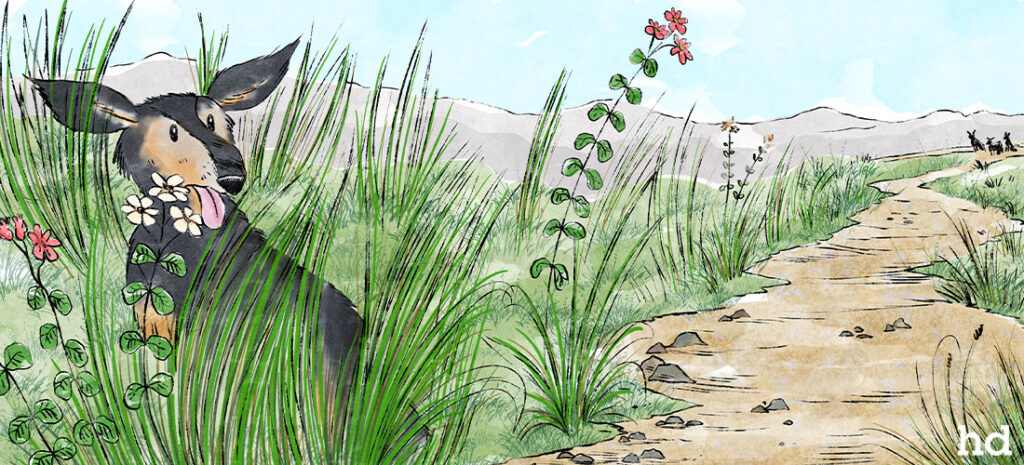
Children are wonderful detail detectives. They notice the wonky button, the sleepy cat in the corner and the pea that has rolled under the chair. Those tiny visual clues give young readers a reason to pause, look again and explore the page properly.
In picture book illustration, small details can do a lot of work. They can add humour, build atmosphere, show emotion and help the story move along without adding more text.
Tiny details can help to:
- Make a page feel full of life
- Encourage children to re-read the book
- Add little jokes for children and grown-ups
- Show what a character is feeling
- Give readers clues about what might happen next
A picture book becomes extra special when the illustrations tell part of the story too. The words may say that a character is brave, but the picture might show their knees wobbling or their teddy tucked under one arm.
Children read pictures before they read words
Before children can read every sentence, they are already reading faces, shapes, colours and movement. A stormy sky can feel worrying, while a tiny smile can tell us that a character is secretly pleased.
This is one of the reasons we believe so strongly in the importance of children’s books. Picture books invite children to think, notice, ask questions and make connections.
What tiny details can show
| Tiny detail | What it might tell the reader |
| Muddy footprints | Someone has sneaked in from outside |
| A tilted picture frame | Something chaotic has just happened |
| A half-eaten sandwich | A character was interrupted |
| A tiny tear | Someone is trying not to cry |
| A repeated little creature | There may be a hidden game across the book |
These details help children practise looking closely. They are solving the story, one little clue at a time.
Characters come alive in the little things
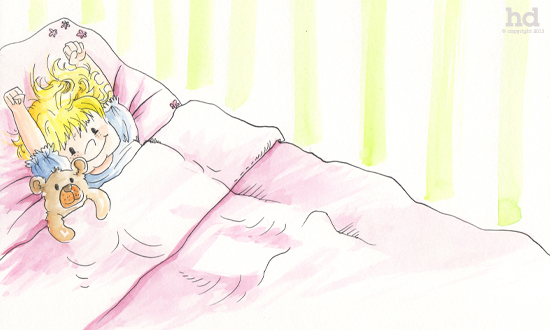
The best characters feel as if they might wander off the page and ask for a snack. Tiny details help make that happen.
In children’s book illustration, a character’s personality can shine through the smallest choices. A nervous squirrel might carry a lucky acorn. A serious owl might wear a bow tie that is always slightly crooked. A cheerful monster might have glittery toenails.
Those ideas are playful examples, but they show how character details can build personality. Clothing, posture, expressions, favourite objects and repeated habits all help children understand who a character is before they say a word.
That is why character design is such a lovely part of creating a children’s book. It is where a story begins to grow a face, a walk, a wardrobe and possibly a very silly hat.
Backgrounds can whisper extra stories
A background should never feel like boring wallpaper. It can quietly whisper extra bits of story to anyone who looks closely.
A bedroom shelf might show what a character loves. A garden scene might include a tiny snail travelling from one side of the book to the other.
Background details can:
- Show where the story takes place
- Add humour without interrupting the words
- Reveal character habits
- Create a world that feels lived in
- Give readers something new to spot
Little background surprises are especially fun because children often discover them before adults do. There is nothing better than a child proudly saying, “Look! There it is again!”
Hidden surprises make re-reading irresistible
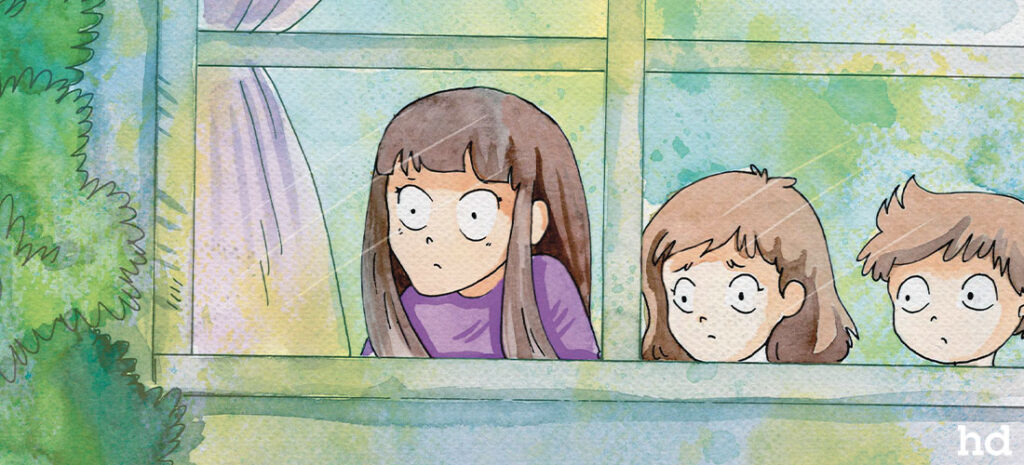
If a child asks for the same book again and again, tiny details can help keep it fresh. A hidden crown, a runaway sock, a small bird with changing expressions, or a trail of stars can become a game between the illustrator and the reader.
These recurring details make the book feel interactive. Children start searching the pages, predicting where the surprise might appear next and enjoying the proud thrill of finding it. For grown-ups, this can make the 147th read feel a bit more cheerful too.
Details guide pace, mood and feeling
Tiny details are not only there to be funny. They can also shape how a page feels.
A busy page full of toys, patterns and movement might make readers slow down and explore. A quiet page with lots of space might make a lonely moment feel bigger.
Illustrators use these choices to guide the reader through the story. Every page has a job to do. Some pages bounce. Some pages whisper. Some pages shout, “Uh-oh!”
Colour, texture and pattern add personality
Tiny details are not always objects. Sometimes they are in the colour, texture or pattern.
A cosy jumper can make a character feel cuddly. A scratchy tree trunk can make a forest feel wild. A shiny puddle can make a rainy street feel exciting rather than gloomy.
Our creative process always considers how the overall look of a book supports the story. The style, textures and details should feel as though they belong in that world, whether it is soft and gentle, bold and bouncy, or completely bonkers.
Tiny details help authors too
For authors, thinking about tiny details can be a brilliant way to understand the world of a story. You do not need to describe every cushion, cloud or carrot, but a few meaningful ideas can help guide the illustrations.
You might think about:
- What your character always carries
- What colours suit the mood
- What might appear again and again
- What little joke could children search for
- What object could become important at the end
If you are not sure where to start, a children’s book consultant can help you shape ideas, develop your story world and think about how the visual side of the book might work.
From manuscript to magical little moments
Tiny details often appear during the journey from manuscript to finished book. A story is read, characters are explored, and rough layouts begin to find their rhythm.
That is when the fun little extras can start popping up. Perhaps a background character becomes funnier than expected. Perhaps a small object appears on one page and returns later.
For authors interested in self-publishing your children’s book, these details can make the finished book feel more polished, thoughtful and memorable.
A lovely little ending
The magic of a picture book is often hidden in plain sight. It is in the biscuit crumbs, the wonky hats, the shy smiles, the muddy pawprints and the little creatures peeping from behind flowerpots.
Tiny details give children reasons to look again. They make pages feel alive. They turn reading into a treasure hunt. Most importantly, they help children feel that the book belongs to them, because they have found something special inside it.
And really, is there anything more wonderful than a child grinning at a page and saying, “I found it!”?
Further Reading
- Visual literacy: the importance of pictures in reading for pleasure: A lovely read on how children notice visual details and learn to look closely at pictures.
- The importance of pictures to young readers: A helpful article about why pictures matter so much before, during and after children learn to read.
- Reading for pleasure: A useful resource on why enjoying books supports children’s literacy, confidence, wellbeing and learning.